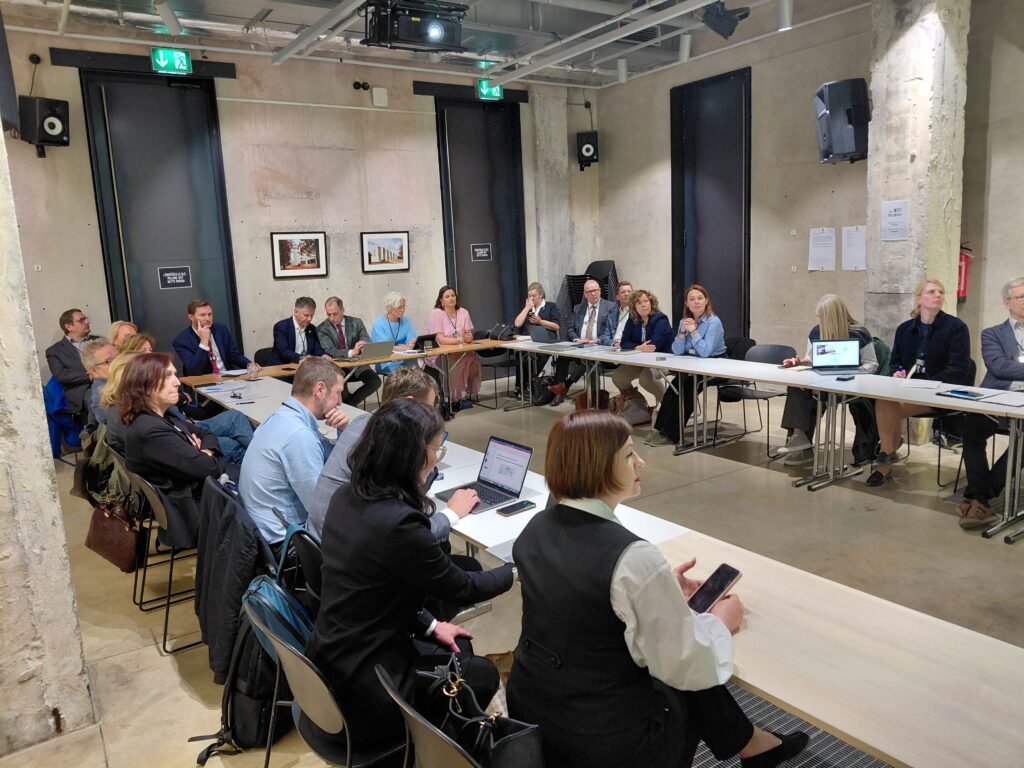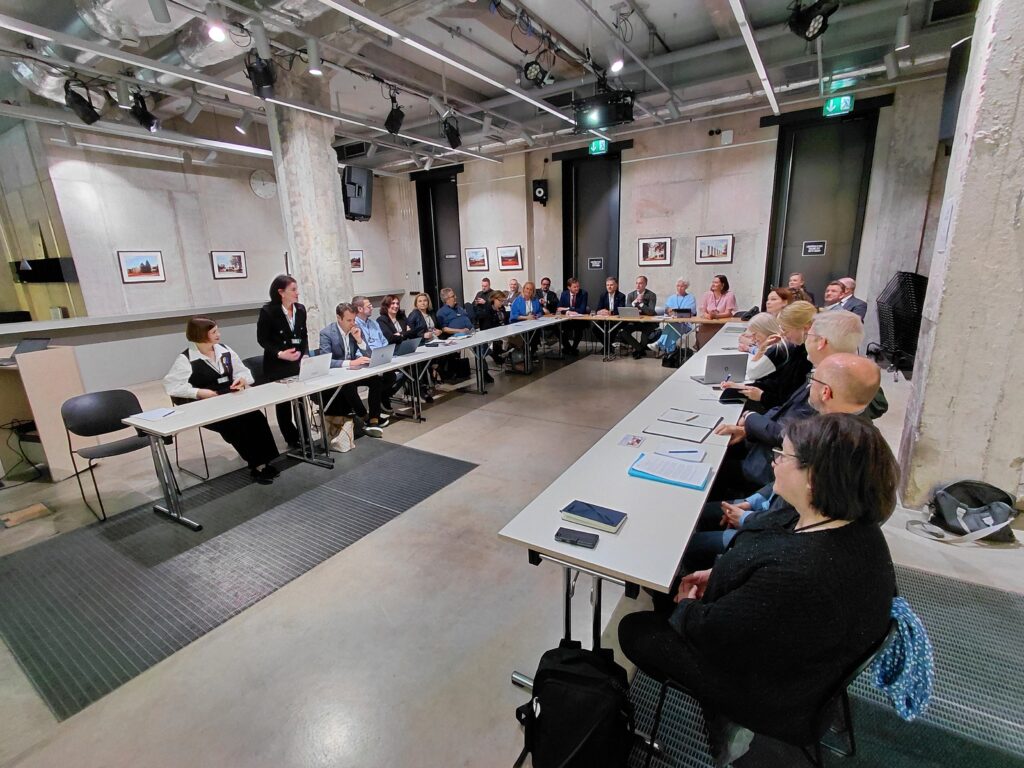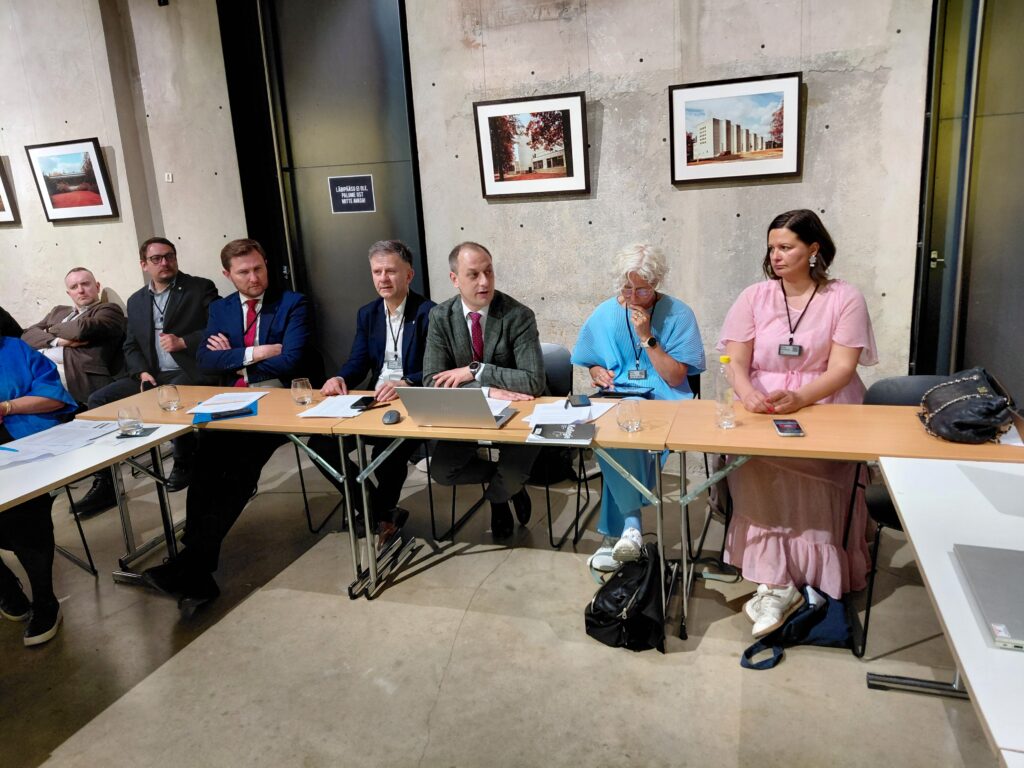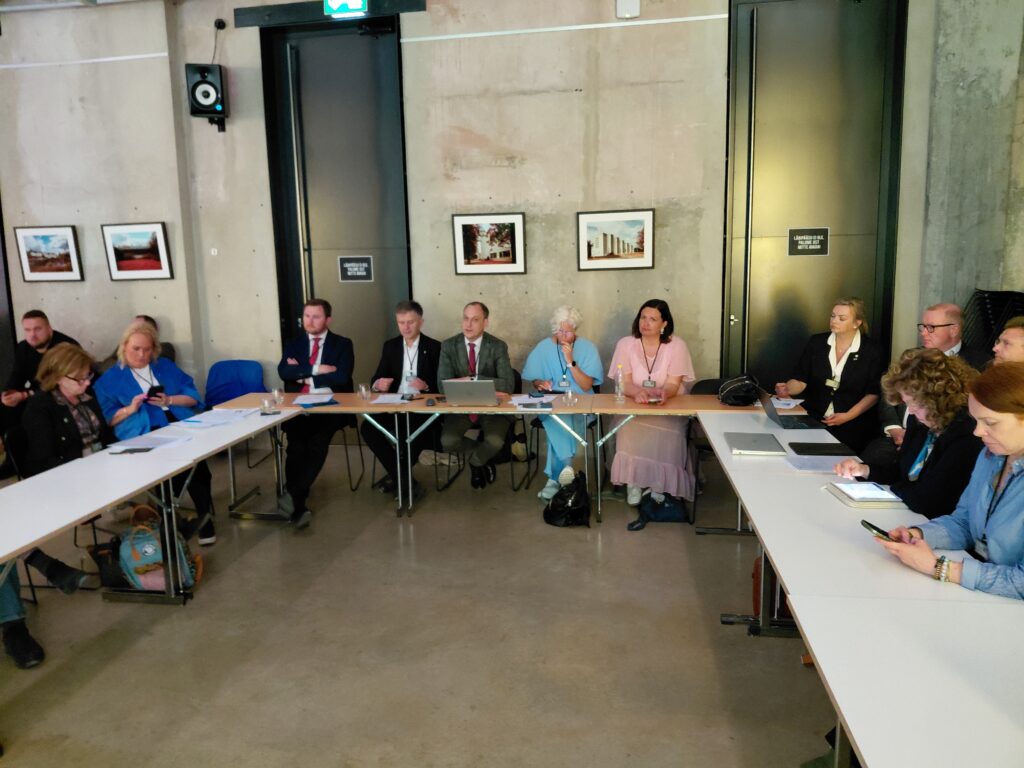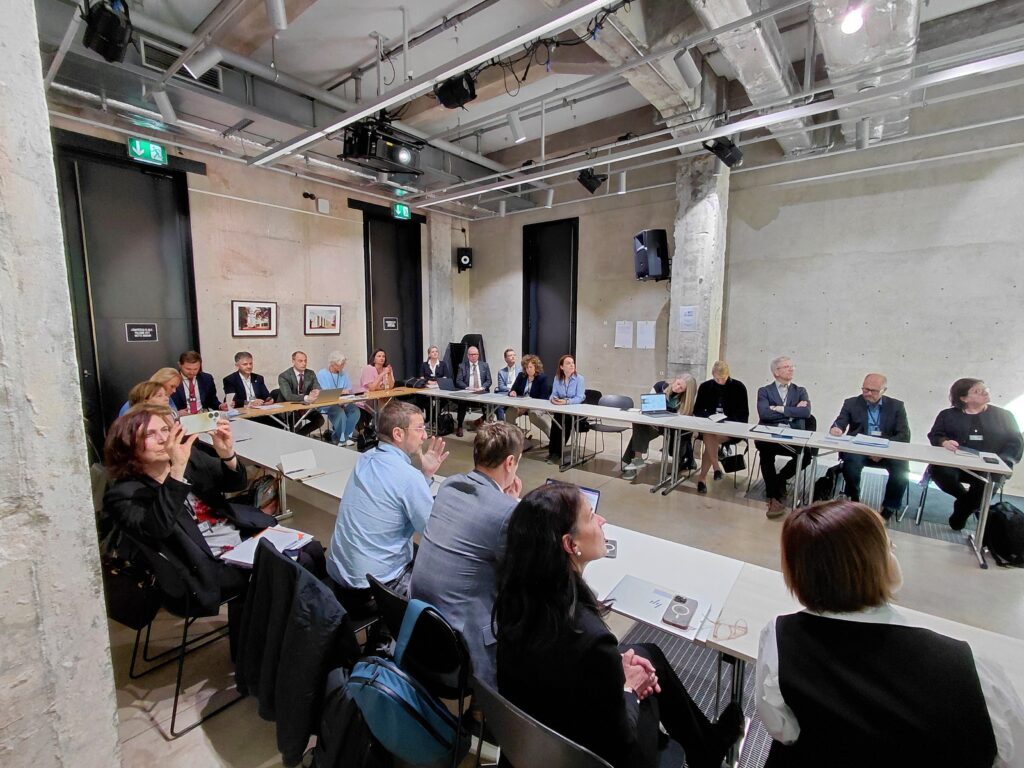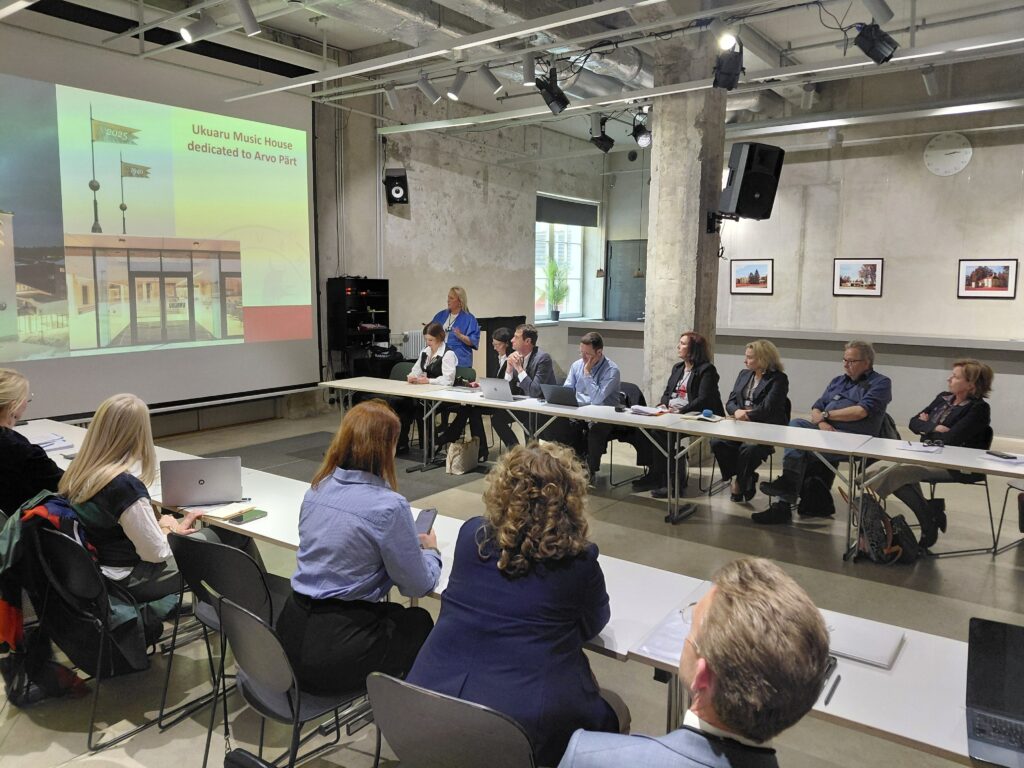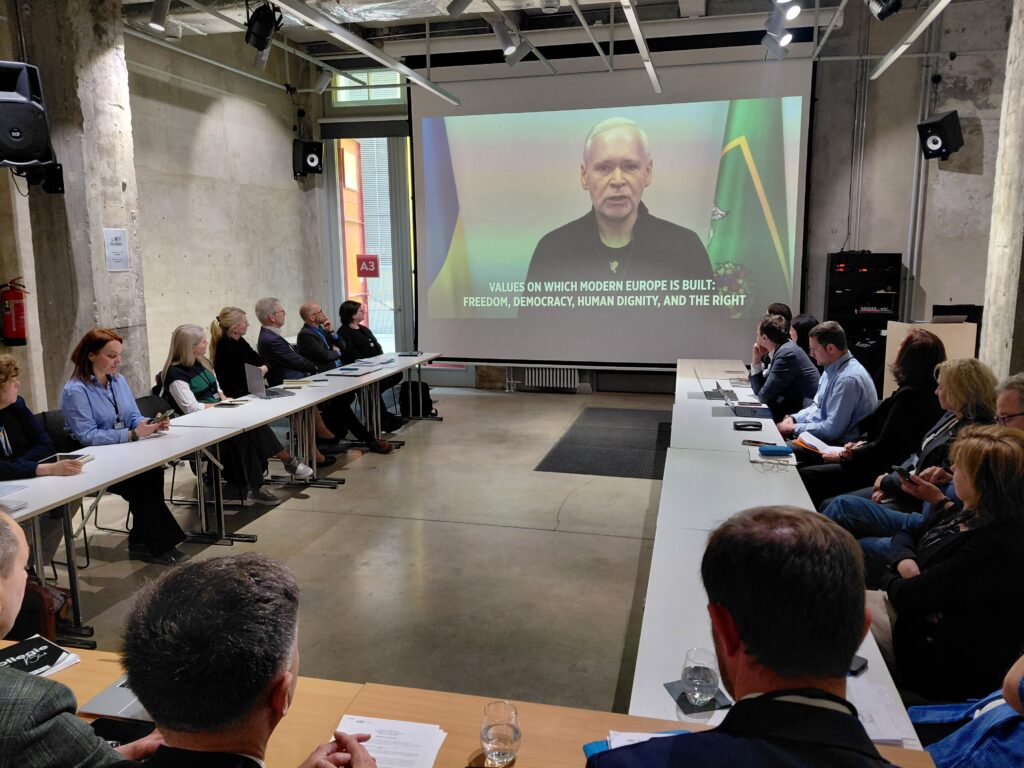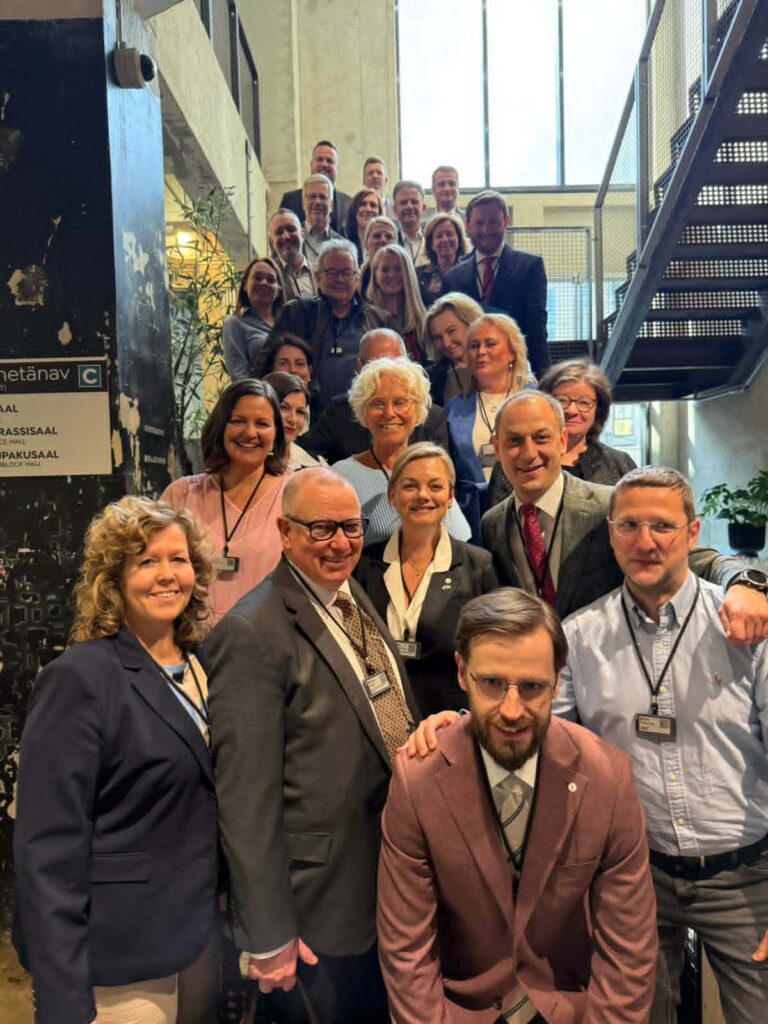
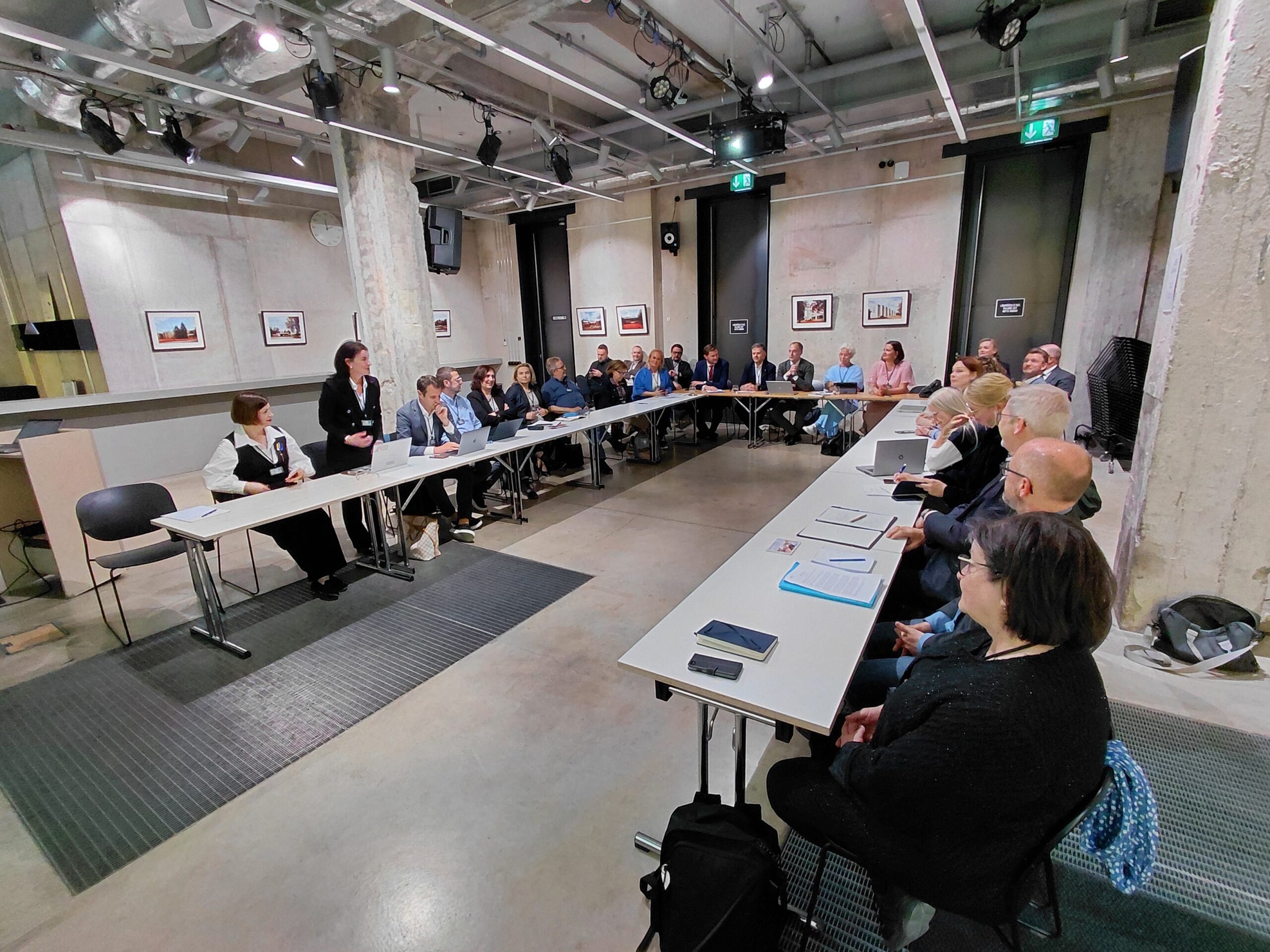
On 11th of May the Estonian capital hosts the 96th UBC Executive Board Meeting in conjunction with the 17th Annual Forum of the EU Strategy for the Baltic Sea Region (EUSBSR). Together, these events form an intensive week of discussions, decisions, and joint planning for the region’s future.
During the meeting, four membership applications to join the UBC were accepted: Kirkkonummi (Finland) as a member city; Boiarka and Kalush (Ukraine) as associated cities; and the Association of Frontline Cities and Communities (AFCC) as a UBC partner.
Participants received updates on projects implemented with UBC as a partner. These include: DECARBOMILE, a HORIZON Europe initiative aimed at developing lowcarbon lastmile logistics in European cities; FURBSR, supporting cities in foresight and resilience-building; MariEx, focused on developing new maritime experience points for tourism; and INHABIT, an Erasmus+ project dedicated to inclusive housing and support for people with disabilities.
During the meeting the UBC Task Force on Ukraine’s work plan for 2026 was presented. The Task Force will broaden its cooperation to include municipalities within the AFCC network, providing support in project development, access to funding, partnership building, and representation at the European level. In June, a major online conference will bring together Ukrainian and European cities to share experiences and exchange good practices.
A proposal to hold the XIX UBC General Conference in Rakvere, Estonia, in autumn 2027 was accepted.
The Executive Board Meeting takes place back to back with EUSBSR Annual Forum. It is the largest annual cooperation event within the EUSBSR and brings together national governments, local authorities, EU institutions, researchers, civil society organizations, and project partners from across the region. It’s goal is to work jointly on the challenges and development of the Baltic Sea area. The Forum addresses four key challenges: security and geopolitical uncertainties, demographic shifts, climate change and the Baltic Sea environment, and governance and financing. All 14 policy areas of the Strategy join forces to develop a shared vision for a resilient and competitive Baltic Sea Region towards 2030 and beyond.