Cities Must Be at the Table in Ukraine’s EU Accession Process, UBC Conference Concludes
Online conference brings together European institutions, Regional organisations, politicians and civil servants, from the Ukrainian and Baltic Sea cities to share and discuss accession challenges and funding opportunities
On 11 June 2026, the Union of the Baltic Cities (UBC) Task Force Ukraine hosted the international online conference “Ukraine & the EU: Accession Process and Funding Opportunities”, bringing together 70 representatives of European institutions, local authorities, Ukrainian municipalities, experts and city networks to discuss Ukraine’s accession to European Union membership, the critical role of local governments in the process and opportunities for funding.
The conference took place at a pivotal moment, following the lifting of the political blockade that had delayed the opening of the first negotiation cluster in Ukraine’s accession process. Participants explored the latest developments in EU-Ukraine relations, the challenges ahead for reforms and implementation, and the opportunities available through EU funding programmes supporting recovery, reconstruction and European integration.
Opening the event, Marko Paunović, Head of the UBC Brussels Antenna, provided a current overview of Ukraine’s accession journey, outlining recent milestones, upcoming negotiations and the practical implications for cities and regions.
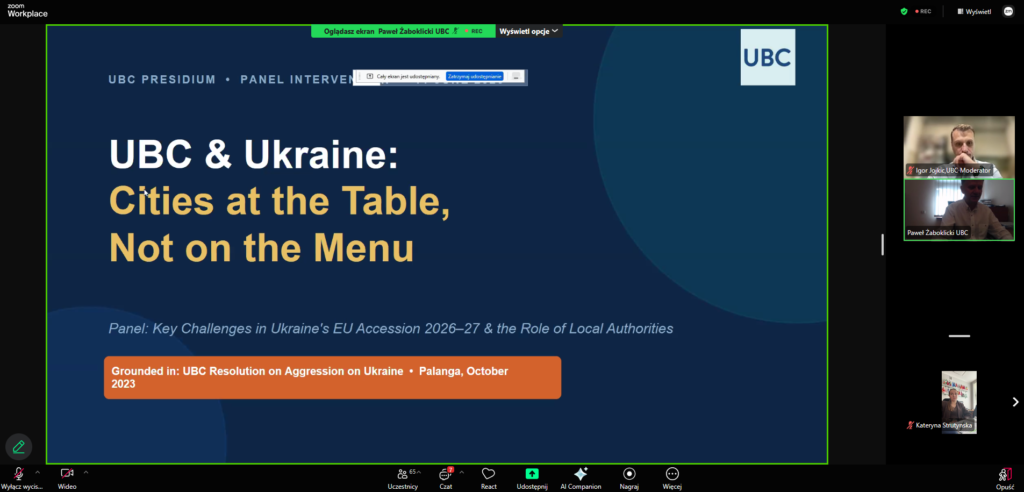
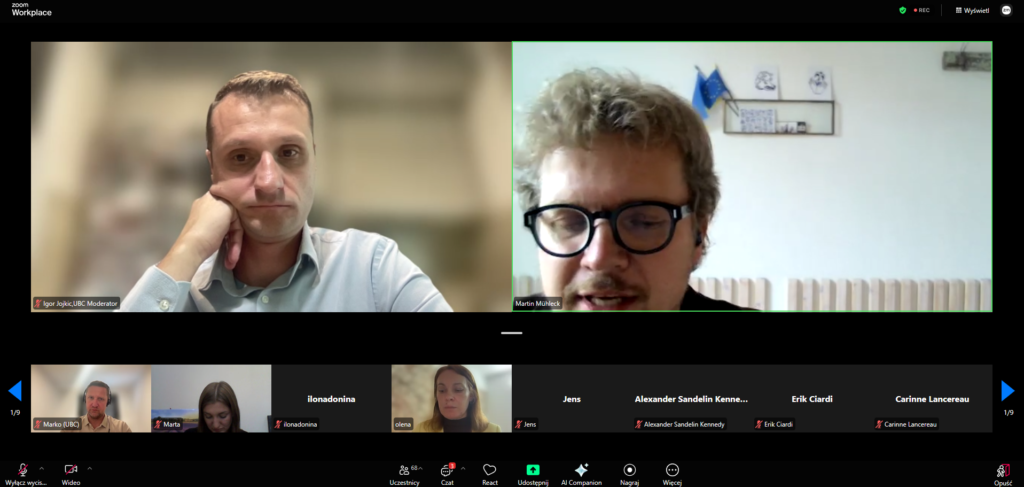
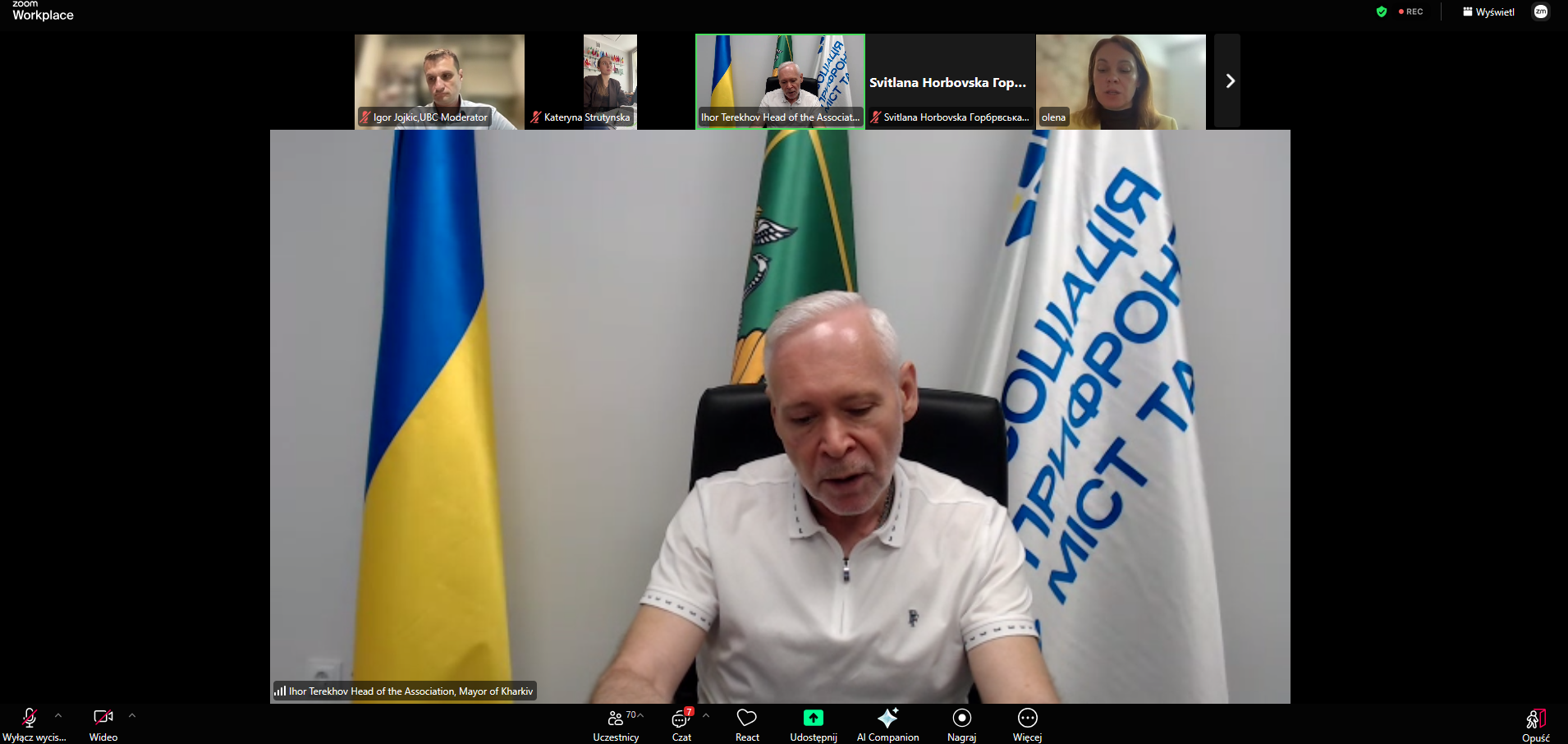
The conference’s central panel discussion, “Key Challenges in Ukraine’s EU Accession Process 2026–2027 and the Role of Local Authorities”, featured speakers Martin Muehleck, Team Leader for Good Governance & Fundamentals at DG ENEST of the European Commission, Ihor Terekhov, Mayor of Kharkiv and Chair of the Association of Frontline Cities of Ukraine, and Paweł Żaboklicki, Secretary General of the Union of the Baltic Cities.
The discussion highlighted that while accession negotiations are often viewed through the lens of national governments, many of the reforms required for EU membership are ultimately implemented at the local level. Participants stressed that municipalities play a decisive role in areas such as public administration, public procurement, environmental management, social services and reconstruction planning.
The statement resonated throughout the discussion, reflecting a shared view that cities should be recognised as strategic partners in both accession and reconstruction efforts rather than solely as implementers of decisions taken elsewhere.
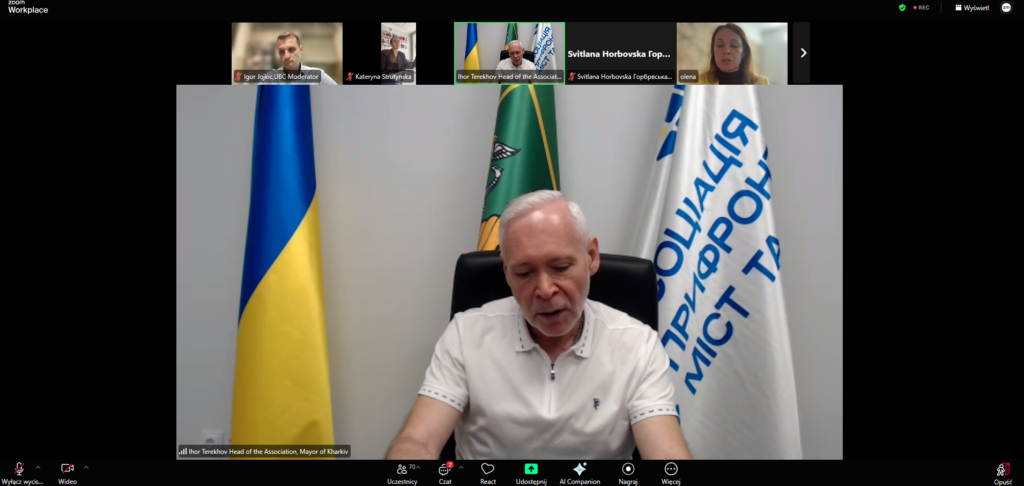
Providing a perspective from one of Ukraine’s frontline cities, Ihor Terekhov, Mayor of Kharkiv, emphasised that cooperation between Ukraine and the European Union must be understood as a partnership of mutual learning and shared responsibility.
“Ukraine’s integration into the European Union is not a one-way process. Ukrainian cities are not simply beneficiaries of support; they are active partners contributing experience, resilience and practical solutions to Europe’s common future,” he said.
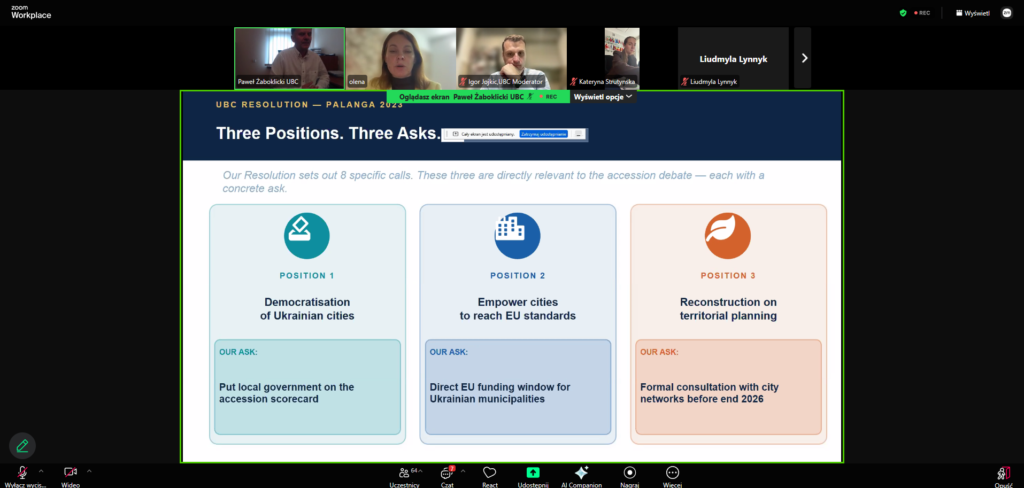
Addressing the role of municipalities in the enlargement process, Paweł Żaboklicki, Secretary General of the Union of the Baltic Cities, highlighted the importance of giving cities a stronger voice in Ukraine’s path towards EU membership.
“If cities need to be at the table, then our responsibility is to make sure they have a seat, a voice and the capacity to contribute. UBC will continue connecting Ukrainian municipalities with partners across Europe to turn solidarity into long-term European integration.”
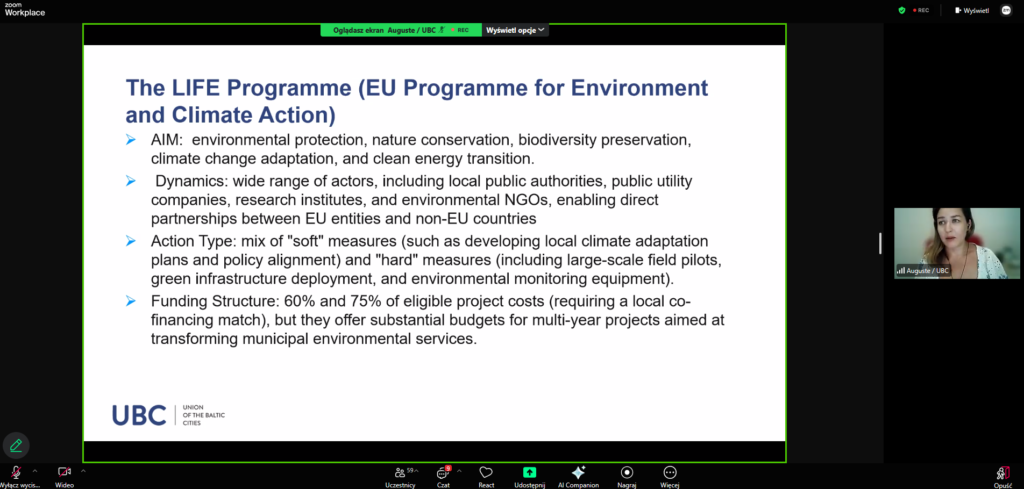
The conference also explored funding opportunities available to Ukrainian municipalities and their partners through programmes such as Interreg, Horizon Europe and LIFE. Participants received practical guidance on project development, partnership building and accessing European funding mechanisms to support local development and reconstruction.
Throughout the event, speakers highlighted the importance of ensuring direct support for municipalities, strengthening local administrative capacity and creating structured channels for dialogue between local authorities and European institutions during the accession process.
The conference concluded with a strong consensus that successful European integration will depend not only on national reforms but also on empowering local governments to participate meaningfully in shaping Ukraine’s European future.
As Ukraine moves into a new phase of accession negotiations, UBC reaffirmed its commitment to supporting Ukrainian municipalities through cooperation, peer learning and advocacy for a stronger local dimension within the enlargement process.
UBC Brussels Antenna
More information: https://ubc.net/event/60039/